


How Much Does It Cost to Live in Zanzibar as an Expat in 2026?

Updated: Aug 20
(Live Cheap or Luxe — Your Choice)

Zanzibar rewards those who adapt.
You can live like a local on a shoestring budget or enjoy Western comforts at a higher (but still affordable) price. A single mishkaki skewer or samosa costs just 500 TZS (~$0.20) from a street vendor, yet the same item plated in a tourist hotel easily hits $10+. That contrast sums up expat life here: paradise is flexible. In 2026, understanding the real cost of living in Zanzibar is essential for anyone planning to move here
When I first moved to Dublin in 2007, food was pretty basic. Then Ryanair opened up Europe and the city transformed into the “Silicon Republic” with an influx of global tech workers. Suddenly exciting new restaurants and cuisines popped up everywhere, and Ireland developed a much more sophisticated palate. I’m reminded of that exact period when I look at Zanzibar today — new food locations and types are appearing rapidly with the influx of global tourists and expats. The island is evolving fast, giving you more choices than ever.
In 2026, a single expat can live comfortably for $600–$1,400/month, depending on choices. Budget-conscious living (local food, basic housing, scooter) lands around $600–$900. Mid-range (nice furnished place, mix of dining out, occasional activities) sits at $1,000–$1,600. Couples add 50–70%; families need more for schooling.
(Exchange rate: ~2,600 TZS = $1 USD as of mid-2026.)
Cost of Living in Zanzibar 2026 – Monthly Budget Examples
Category | Budget/Local Style | Mid-Range Expat | Luxury |
Housing + Utilities | $150–$400 | $500–$800 | $900+ |
Food & Groceries | $100–$200 | $250–$400 | $500+ |
Transport | $30–$80 | $80–$150 | $200+ |
Internet & Misc | $50–$120 | $120–$250 | $300+ |
Healthcare/Insurance | $50–$100 | $100–$200 | $300+ |
Total (Single) | $600–$900 | $1,000–$1,600 | $2,200+ |
*These cost of living in zanzibar figures are realistic averages based on current 2026 prices across the main expat areas (Paje, Nungwi, Kiwengwa, Jambiani and Stone Town). Monthly budget and spend will vary depending on location, lifestyle choices, and how well you adapt to local prices.
1. Housing: Biggest Variable + Location Guide
Long-term rentals are available. Commit to 6–12 months (or longer) to get the best rates.
Local/basic: Simple room or 1-bed in a compound — $150–$400/month (especially in villages).
Mid-range expat favorite: Furnished 1-bed near the beach with decent amenities — $500–$800.
Stone Town or premium beachfront: $800–$1,500+ for nicer villas or modern apartments.
Utilities (power, water, generator backup for outages): $40–$90
.
Location quick guide:
Digital nomads/remote workers: Mostly cluster in Paje and Nungwi — vibrant vibe, co-working, beach parties, and easier social scene.
Families: Prefer Kiwengwa, Pwani, Jambiani, or Stone Town — all conveniently close to schools, offering more space, a calmer atmosphere, or better community access depending on your needs.
Tip: Use your Swahili and show respect to negotiate better long-term rates. Locals and regulars often pay noticeably less than first-time visitors.
2. Food & Groceries: Where You Save the Most (and Watch the Scene Evolve)
Live like a local and slash this category dramatically, while enjoying the exciting new options emerging across the island.
Street/local: Mishkaki or samosa at 500–1,000 TZS each. Full plate of rice, beans, fish or mishkaki with ugali/chips: $2–$4.
Home cooking: Shop at smaller village markets instead of Darajani (one of the more expensive markets, especially for foreigners). Fresh produce and spices stay very cheap. Fruit and vegetables are seasonal, which means they are at their peak freshness and nutritional value — every month a new fruit arrives, making eating local both healthier and more exciting.
Pro local hack: Get friendly with a fisherman in coastal villages (common in Paje, Jambiani, Kiwengwa, or Nungwi). Buy fish straight from the ocean the same day it’s caught — often at a fraction of market or restaurant prices. Many expats build relationships that lead to regular, ultra-fresh supplies (plus invitations to local life). Combine with your Swahili phrases for the best deals.
Organic & convenience options: As expats, many of us like ordering organic fruit, vegetables, and meat from Msonge Organic Farm, and organic dairy from Machui Dairy. Both offer free weekly delivery straight to your door. It’s more expensive than the local market but noticeably cheaper — and often better quality — than what you’d find in Western supermarkets.
Mid-range restaurants: Local spots like Lukmaan offer great value at $4–$8/meal. My personal favourite mid-range restaurant in Kiwengwa is White Dreams — excellent food, good atmosphere, and prices that feel fair for the quality and location.
Luxury dining & experiences: For those wanting true fine dining and luxury experiences, many expats enjoy private catamaran sunset cruises with onboard dining as a regular treat. Check out Zanzibar Gourmet for premium culinary events and high-end dining pop-ups.
Tourist/beach cafés & new international spots: $10–$25+ per meal. Many expats visit nicer hotels for the day — day passes (when available) often cost a fee but are credited toward food and drink, making it a smart way to enjoy pools, beaches, and better facilities without a full overnight splurge.
Monthly reality: Strict local eating + village shopping + fisherman connections = $100–$200. Mix with occasional Western/imported, organic deliveries, and new global spots = $250–$400. Frequent resort or trendy dining pushes it over $500.

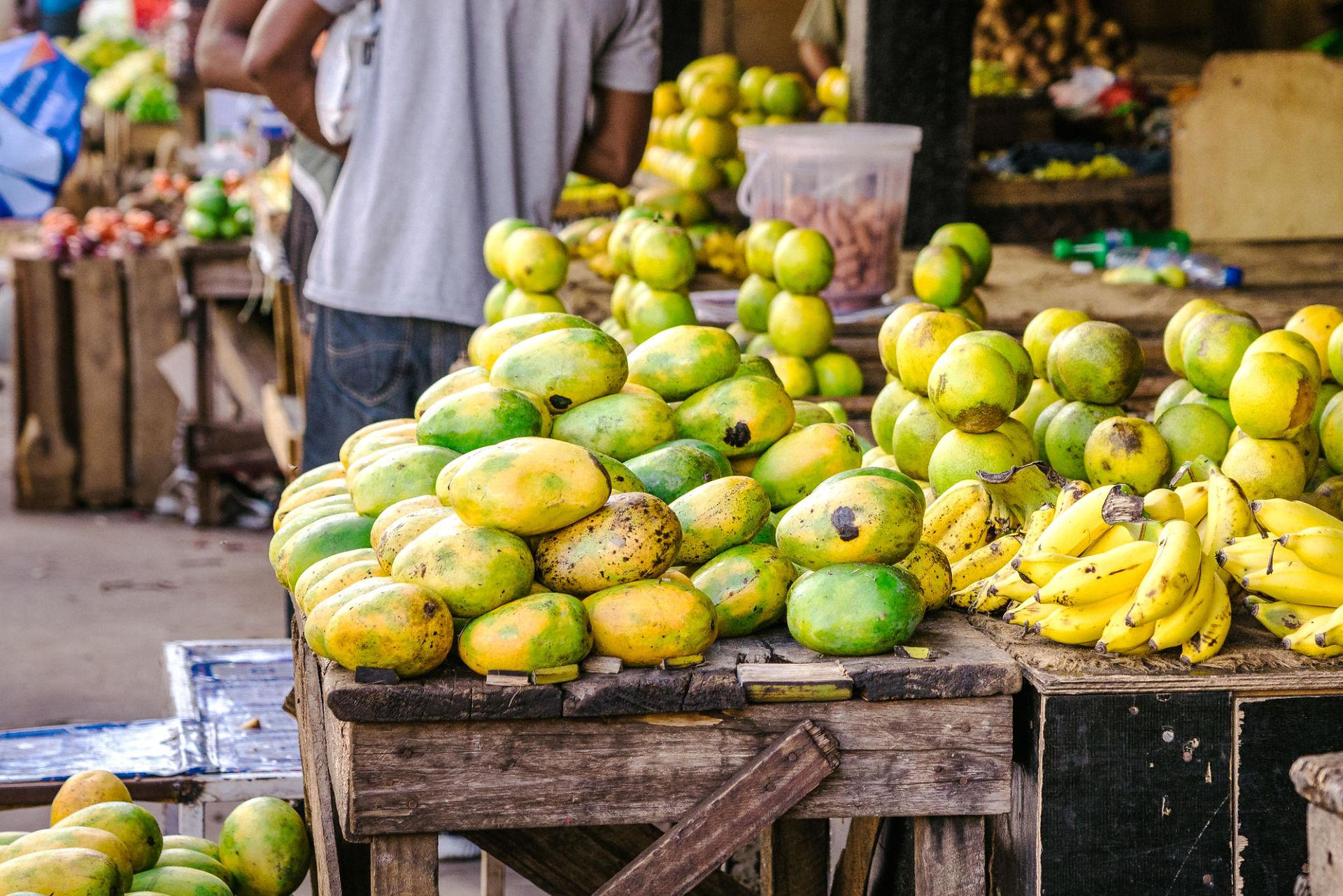


3. Beating the “Mzungu Tax”: Respect, Language & Real Savings
Prices are often higher for visible foreigners. Learn basic Swahili, dress modestly (cover shoulders/knees outside beaches), greet properly, and shop/eat where locals do. Many expats report 20–50% better deals once vendors (and fishermen) see them as respectful regulars.
Speak Like a Local — Essential Phrases:
Habari? — How are you? (Start every interaction — far better than touristy “Jambo”.)
Shilingi ngapi? (or casually Shingapi?) — How much? / How many shillings? (Top choice for bargaining.)
Mimi si mgeni. — I am not a stranger.
Kila kitu poa. — Everything is cool / All is good.
Ni ghali sana. — That’s too expensive.
Punguza bei, tafadhali. — Lower the price, please.
Asante sana. — Thank you very much.
Key Numbers for Bargaining (memorize these first):
English | Swahili | Pronunciation |
1 | Moja | MO-jah |
2 | Mbili | M-BEE-lee |
3 | Tatu | TAH-too |
5 | Tano | TAH-no |
10 | Kumi | KOO-mee |
20 | Ishirini | ee-shee-REE-nee |
50 | Hamsini | hahm-SEE-nee |
100 | Mia | MEE-ah |
1,000 | Elfu moja | EL-foo MO-jah |
Example at the market or with a fisherman: “Habari? Shilingi ngapi? … Elfu moja tu? Mimi si mgeni. Kila kitu poa!” Smile, be patient (“pole pole”), and you’ll often get a better price — or the freshest catch.
Respecting Zanzibar’s Muslim culture (modest dress, right-hand use, discretion during Ramadan) is rewarded with warmer interactions and fairer deals.
4. Transportation
Dala-dala (shared minibus): Cheap, ~500–2,000 TZS/ride.
Bodaboda (scooter taxi): Locals pay far less — negotiate with your phrases.
Scooter rental + fuel: $50–$120/month (most popular for expats).
Private driver/taxis: Higher for comfort.
5. Internet, Healthcare & Misc
Home internet in Zanzibar can be expensive and reliability varies (outages are common). Expect to pay $20–$100+ per month , depending on the provider and speed (e.g., Yas Fiber and similar options).
Gym: Usually around $50/month.
Healthcare: Private clinics for basics (~$20–$50/visit). Get comprehensive international insurance with medevac ($100–$300+/month). Public options exist but are limited.
Other: SIM/data $10+, night guard (common for houses) $100–$150 extra.

6. Visas & Practical Realities
Tourist visa on arrival/online: $50 (90 days; some nationalities pay more for multiple-entry).
Longer stays: Residence permits via investment/work (costs range from hundreds to thousands USD + requirements).
Hidden costs: Power backups, seasonal tourism price swings, import duties on Western goods.
Safety: Generally very safe and welcoming in tourist/expat areas. Use standard precautions.
Pros & Cons for Expats
Pros: Stunning beaches, friendly people, low base costs, growing nomad scene (especially Paje and Nungwi), family-friendly areas (Kiwengwa, Pwani, Jambiani, Stone Town), incredible culture and food with exciting new options emerging.
Cons: Infrastructure quirks (power/water), rainy season, and the need to adapt to local pace.
Final Advice: Choose Your Zanzibar
Live cheaply by eating street food, shopping at village markets, getting friendly with fishermen for ocean-fresh fish, bargaining in Swahili, and respecting locals — or go full luxury with private beachfront villas, private catamaran sunset cruises, organic deliveries, and personalised services.
Whether you choose the ultra-budget local lifestyle, comfortable mid-range, or true high-end luxury, genuine effort with the language and culture will make your time in Zanzibar smoother, more rewarding, and far more enjoyable.
Zanzibar isn’t just affordable — it’s transformative when you meet it halfway, just like Dublin did back in the day. Habari? Shilingi ngapi for your new life here?


Comments