


Diversification Lessons from the 2007 Crash: Why Zanzibar Luxury Properties Offers Unique Resilience and High ROI
Updated: Jul 16

In 2007, I was working for an international investment house, placing trades for high-net-worth clients as the global markets began their terrifying descent. What started as a flight to safety quickly turned into a trap. Traditionally, “cash or bonds” were the go-to havens — “as safe as banks,” the saying went. But this crash was different. Interest rates were abnormally attractive, and one Icelandic bank was offering a fixed 7% on deposits. Many clients poured seven-figure sums into what seemed like a prudent move.
By the weekend, the headlines screamed trouble. By Monday, we were fielding frantic calls to withdraw — but it was too late. Deposits were frozen. The bank went into administration. Colleagues who tried to “catch the falling knife” by snapping up shares in banks such as RBS, Lloyds, Anglo Irish, and Bradford & Bingley lost their shirts too. Almost everything fell. It was early in my career, and it was harrowing. Having to tell clients who had seven figures on Friday that they had zero on Monday taught me lessons I’ll never forget.
Losing money stirs emotions like nothing else. Greed can inflate markets, but fear is twice as powerful — and prices fall twice as fast as they rise. In those dark days, the true safe havens were limited: US Treasuries, healthcare, and gold. I emerged with a deep respect for risk aversion and the absolute necessity of genuine diversification.
A Different Kind of Resilience
I first visited Zanzibar during the COVID years, when markets were once again in turmoil and my natural instinct was caution. I met the owner of one of the island’s biggest and most prominent hotels. I asked how he had fared in 2007. His answer stopped me in my tracks: “There was no recession in Zanzibar.”
While Europe and America were hammered, China kept growing (albeit more slowly). The hotel had rooms for every budget, and tourists arrived from all over the world. The island simply wasn’t dependent on any single market. He was confident Zanzibar would weather COVID too — and he was right.
When European flights stopped, new routes opened to Russia. Russian tourists flooded in and kept the economy moving. Leadership made the pragmatic decision not to shut everything down and starve the people in the name of virus control. The island got through it — bruised, not unscathed — but it was a powerful lesson in pragmatism, diversification, and resilience.
Fast-forward to recent months and the tensions around Iran. Flights from Dubai and Qatar were disrupted (many won’t resume until September). Yet Zanzibar remained well connected through other global hubs — Addis Ababa, Nairobi, Turkish Airlines, and more. Oil supplies faced rerouting challenges through the Strait of Hormuz, with regional suppliers shifting to alternatives like the Red Sea route. A taxi driver in Dar es Salaam recently showed me his engine conversion to gas for about $1,000; he now saves around 75% on fuel costs. Tanzania’s government has strengthened ties with Moscow, and direct flights from Moscow are starting again in July.
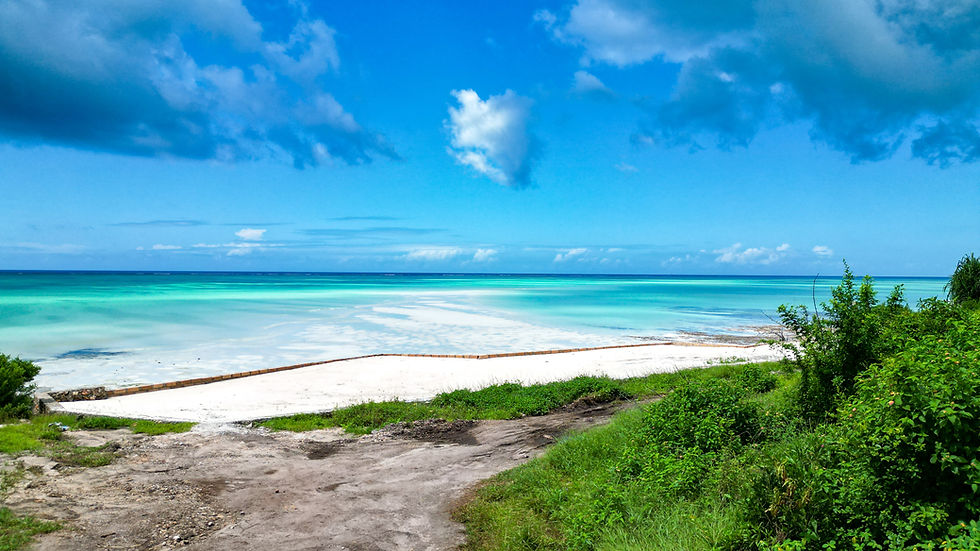
Tanzania does a good job of staying politically neutral on the world stage, diversifying its partnerships and serving its resilient people. Even after the low season (when rains arrive and some businesses close for holidays), bars, hotels, and restaurants are busy. People keep coming for one simple, irreplaceable reason: the colour of the turquoise water — rarely found anywhere else on Earth.
Zanzibar is consciously positioning itself toward the luxury end of the spectrum — more Maldives than Bali. For many visitors, getting here involves significant airmiles. In times of higher oil prices and therefore higher flight costs, it makes sense to target clients who feel those increases less acutely. The connectivity story continues to improve, with more direct and convenient routes opening up.
Global turmoil has also prompted some investors to diversify property portfolios away from saturated markets (the Middle East being one example where returns had already become compressed). Zanzibar luxury property investment offers something different — and the potential for strong ROI.
Here’s what makes it resilient:
No bear market in land prices — Demand stays high because of that unique turquoise appeal. Supply stays constrained because it’s a small archipelago.
Competitive entry prices — When I lived in Dublin over five years ago, a tiny one-bedroom flat could easily set you back well over $500,000 USD. Today, with Dublin property prices having risen further, you can still acquire a penthouse at The Hills Nungwi or a top-end beach villa in Zanzibar for comparable (or better) money.
Strong returns and high ROI — Off-plan purchases commonly deliver around 30% capital appreciation from project start to delivery (usually 2–3 years). Then the rental income kicks in — developer typically forecast double-digit rental yields once operational, delivering attractive overall ROI that beats bank interest rates.
Investor-friendly framework — Condominium law allows foreigners to secure title. New and exciting projects are coming online.
Tourist numbers continue to rise even as supply grows. We’re arguably a few decades behind a place like Bali in terms of development maturity, but the government and people here are enthusiastic and resilient about growth.
Concrete Opportunities Right Now

Anantara Zanzibar — Gathering real momentum after a measured start. The developer is prioritising delivery. They’ve also launched NH Collection in Pemba. A successful Anantara opening will serve as powerful proof of concept. Right now they’re running a summer offer that includes a complimentary Zanzibar holiday when you purchase a unit.
The Hills, Nungwi — Excellent value apartments in the heart of one of Zanzibar’s liveliest and most beautiful areas. Rare to find this combination of location and pricing.
Anga, Paje — Stunning architecture by the island’s most influential architect Lucas Oteyza of Bao Construction.
(Explore our full range of residential condominium projects and current opportunities on our Condominium / Residential Projects page.)
These projects sit in a market where the fundamentals — diversified visitor sources, limited prime supply, and rising global interest — support long-term value and high ROI for Zanzibar luxury property investment.
Sustainability: A Key Part of Long-Term Resilience and ROI
Let’s be honest — power reliability isn’t perfect here yet, challenges like power reliability are real, but they’re driving innovation. Most of Tanzania’s electricity comes from hydro sources, and developers are increasingly incorporating solar, and advanced solutions (including permanent magnet generators and water-from-air technology like my friend’s new company, Atmos Zanzibar). Many
luxury residential projects already integrate these features, reducing operational costs and enhancing long-term value. It’s another layer of resilience that smart investors appreciate.
Final Thoughts: Protection Against Ignorance — and a Turquoise Insurance Policy
Warren Buffett once said: “Diversification is protection against ignorance. It makes little sense if you know what you are doing.”
In 2007, many of us learned the hard way what happens when diversification is only skin-deep. Zanzibar offers something rarer: built-in, structural diversification. Tourists and investors arrive from multiple continents via multiple routes. Not every recession is global. When one region slows, others can step in — as we’ve seen repeatedly here.
The turquoise water isn’t just beautiful; in investment terms, it’s a form of natural insurance. Limited supply + enduring global demand + improving infrastructure + creative solutions = a compelling long-term story for Zanzibar real estate investment.
Past performance is never a guide to future performance. All investments carry risk. If you’re looking to diversify your portfolio with a lifestyle asset that has real resilience and strong ROI potential, visit our residential projects page or contact me directly. I’d be happy to share more details on current opportunities or arrange a call.
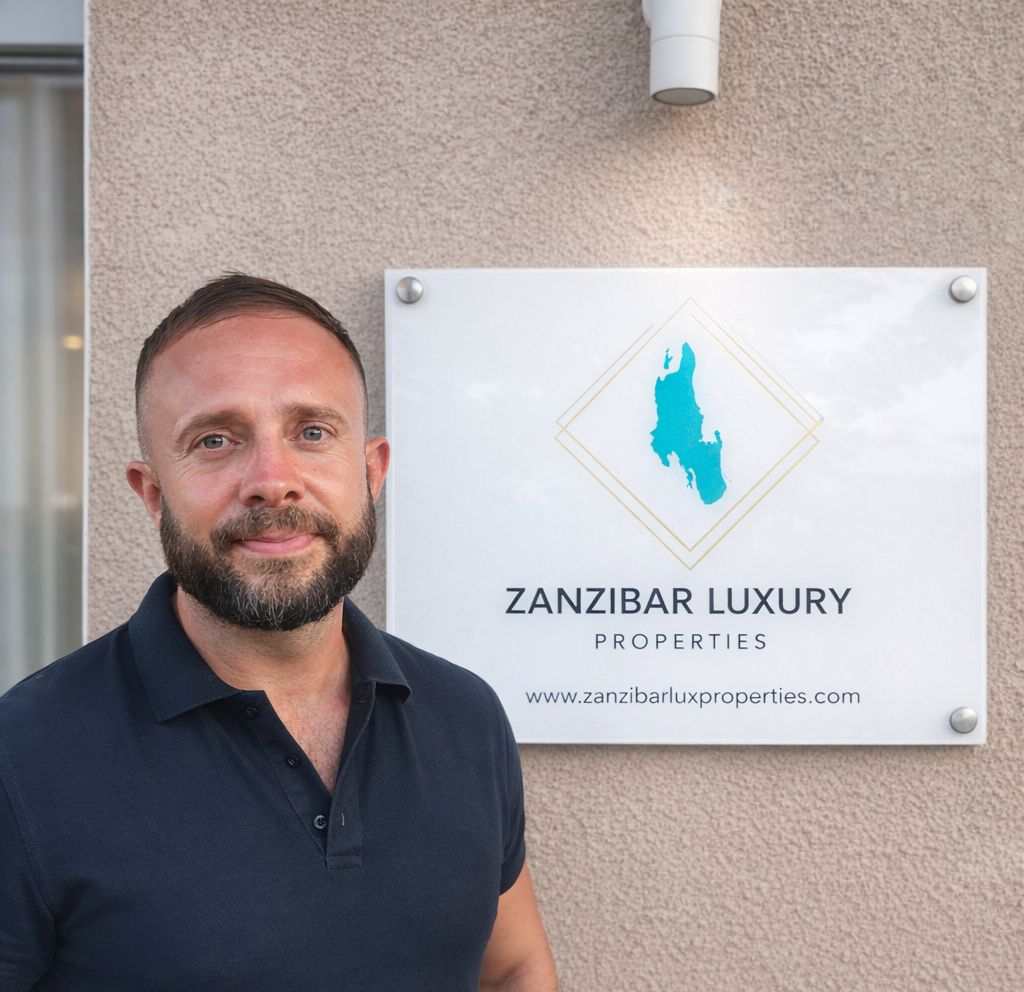
Paul Tellwright FCSI, Zanzibar Luxury Properties
Comments